


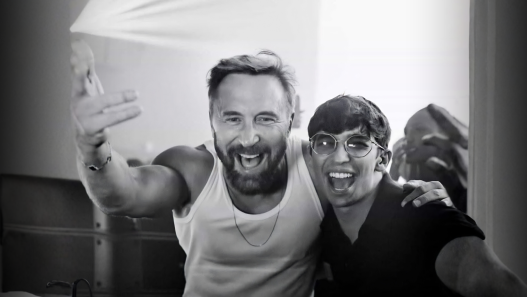





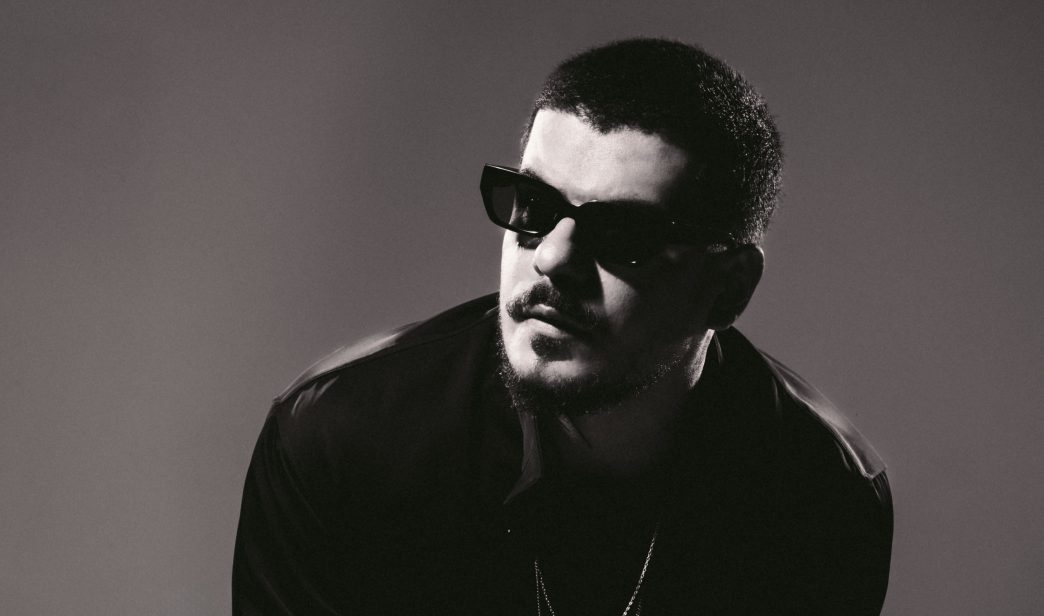
Photo credit: Courtesy of Purplewall
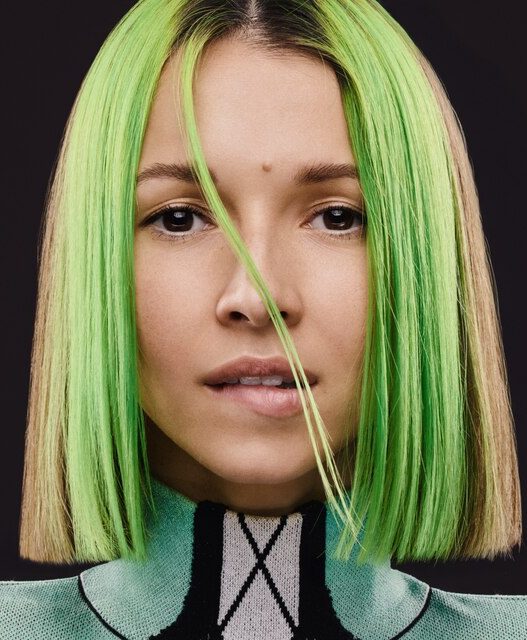
We recently had the chance to sit down with acclaimed producer and DJ Vintage Culture, whose rise from a small town in Brazil to the global electronic music stage has been nothing short of remarkable. With more than 1.5 billion Spotify streams and a string of multi-platinum and gold certifications to his name, he has firmly established himself as one of dance music’s leading artists.
The past year has marked another major chapter in his career. From the release of his debut album Promised Land to securing a BBC Radio 1 residency and earning a place in the DJ Mag Top 100’s top 10, Vintage Culture has continued to push the boundaries of his sound while expanding his international reach. 
Beyond his music, he has become a cultural force in Brazil through his hugely successful Só Track Boa brand, helping shape the country’s electronic music scene. Internationally, his influence continues to grow through the sold-out Vintage Is A Festival series, headline residencies at Wynn Las Vegas, and standout performances at some of the world’s most prestigious festivals, including Coachella and Movement Detroit.
How would you describe your musical style and the genres or subcultures that most influence your sound?
I don’t like to put labels on what I do. What I make is a reflection of everything I’ve absorbed over my life: the emotion of classic house, the rawness of techno, the warmth of Brazilian music. I grew up hearing Depeche Mode and New Order on the radio in a small town in Brazil and thinking, there’s a whole world out there. My sound is basically that feeling: music that takes you somewhere, that connects people to something bigger than the room they’re standing in.
Music Creation: Describe the primary setting or environment where your music is conceived. Is it a chaotic, overstimulating studio, a minimalist digital space, a rehearsal room, or a more isolated location?
My studio in São Paulo is my home base. It’s organized, but it’s alive: instruments, synthesizers, references everywhere. But the ideas don’t respect a location, so I get inspired on planes, backstage, at 4 in the morning after a set, when I hear something in a club and think, I need to capture that energy. I always have my headphones and a way to record. The studio is where we finish things, but the spark can happen anywhere.
When you create, what leads the way – a feeling, a story, or the sound itself?
Always the feeling first, and I need to feel something before I can build anything. Music that doesn’t make you feel something is just noise. Therefore, I ask myself: does this give me chills? Does this make me want to move? If the answer is yes, we’re on the right track. The sound and the story come after.
What’s in your toolkit? Share the gear, gadgets, or software you can’t create without.
I work mainly in Ableton, and I love synthesizers, analog and digital. I’m not a purist about it. I use a lot of hardware in the studio: Moog, Dave Smith instruments. But honestly, the most important tool I have is my ears. Everything else is just a means to an end. Good headphones are non-negotiable. I travel with them everywhere, and I have a custom pillow for long-haul flights and my headphones. That tells you everything hahaha
Are there any unexpected or dream collaborations hidden in your work?
There are always IDs in my sets that haven’t come out yet. I collaborate with friends all the time: people like Volkoder, Fancy Inc, and artists I’ve known for years. But a dream collaboration? I’ve always been fascinated by what could happen between the electronic world and the world of Brazilian MPB: artists like Milton Nascimento, that spiritual, soulful side of Brazilian music. That collision of worlds would be something very special to me.
Any side projects you’re working on?
Affairs is my real passion project right now. Building out the imprint to something much bigger than just a label, but a movement and community that keeps growing through music and collaboration. And now with the Pacha Ibiza residency coming up, it just feels like we’re taking it to a place much higher than expected.
Who’s an emerging artist you think deserves more recognition right now?
There’s so much talent coming out of Brazil right now, it’s almost overwhelming. The scene back home is on another level. But I’d rather not name one because I’ll be doing a disservice to ten others. What I will say is: pay attention to South America in general. There’s a rawness and a passion in that scene that you can’t manufacture. It comes from somewhere real.
What role does ‘rebellion’ or ‘counterculture’ play in your music? Are you aiming to challenge commercial norms, sonic structures, or societal expectations?
I think the most rebellious thing you can do in music right now is make something that’s genuinely emotional and honest. Everything is moving so fast. There’s pressure to be on-trend, to feed the algorithm, to produce quantity over quality. I push back against that. My sets can go ten hours.
Who is one non-musical artist (e.g., fashion designer, visual artist, film director) whose work feels sonically synonymous with your sound?
Ayrton Senna. I know he’s not an artist in the traditional sense, but his approach to what he did: the obsession, the precision, the emotion, the fact that he was Brazilian and became the best in the world at what he loved. That resonates with me deeply. There was poetry in the way he drove. I try to bring that same combination of discipline and soul to what I do.
What aspects of your artistry feel most important to you, for example your sound, visuals, storytelling, or live performance style?
The live performance. Everything else: the music, the visuals, the story, it all builds toward that moment when you’re in front of people, and there’s this real, unfiltered exchange of energy. I can’t fake that. It’s the most honest conversation I know how to have, and that’s why I play long sets. I don’t want to just visit. I want to go somewhere with the crowd, together.
The Future: What is the most exciting and the most terrifying technological development impacting the music industry right now (e.g., AI composition, NFTs, digital distribution models)?
AI is both, at the same time. The exciting part is the possibility: new sounds, new tools, new ways to experiment. The terrifying part is if we let it replace the human story behind music. Music without human experience behind it is empty and without emotion, because at the end of the day, it’s humans with real emotion dancing in the clubs or festivals. AI can be a powerful instrument, but the musician, the person with the story, the emotion, the intention, has to stay in the driver’s seat. The day people stop caring where music comes from is the day the culture loses something it won’t easily get back.
How would you describe the live music environments you feel most connected to? For example, are you drawn more to the energy of massive festival stages, the intimacy of underground warehouse parties or DIY venues, or a mix of both?
Both, and I mean that. Playing a stadium in Brazil in front of 50,000 people who know every track, who are singing along: there’s nothing like that. But I also love the underground. A dark room, good sound, people who are there purely for the music. What matters in either environment is the same thing: are people present? Are they giving themselves to the moment? When that happens, the size of the room stops mattering.
Famous last words?
In our affairs, you’re never alone.
Follow Vintage Culture: