








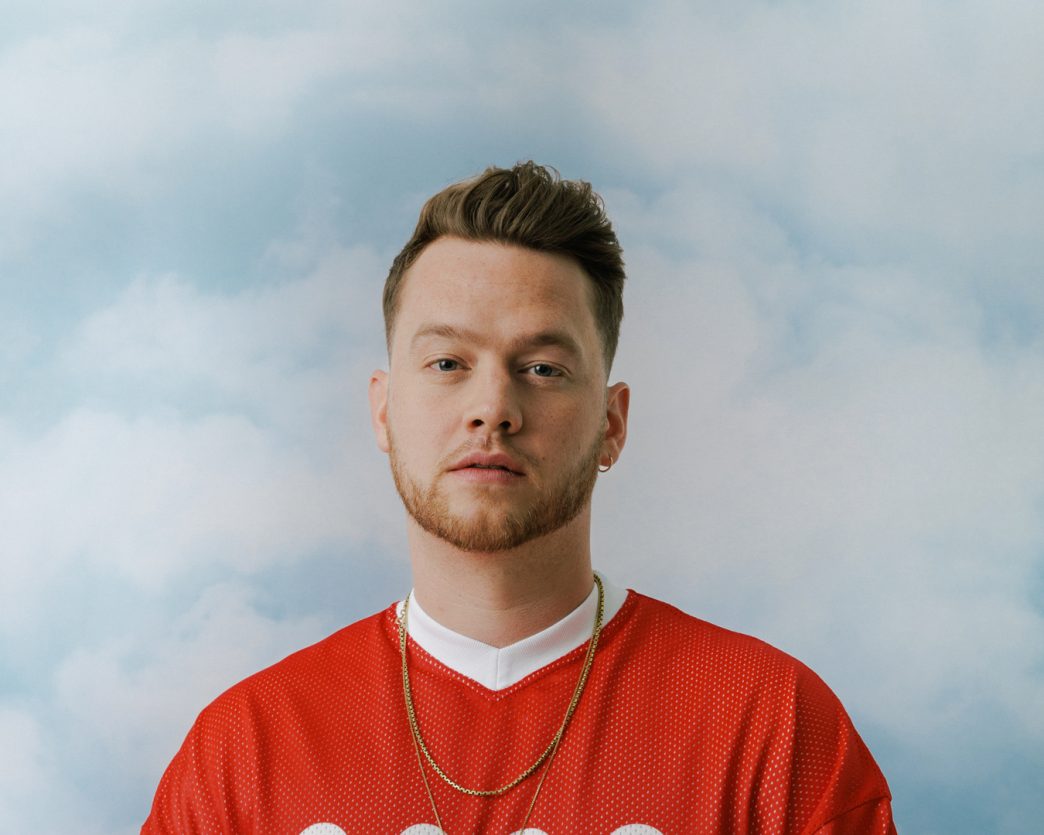
For YouNotUs, evolution has never meant staying inside a single genre, process or creative identity. The sound sits somewhere between electronic pop and house, shaped by a musical journey that has moved through hip-hop, rock, dubstep, minimal, techno and the underground club culture of Berlin.
That connection to different worlds has remained central to the project. From discovering records in Berlin’s smaller clubs and record stores to experiencing the unique energy of Ibiza and Koh Phangan, the journey has been shaped by a belief in music’s ability to connect people and ideas.
The creative process is equally connected to the relationship between the studio and the dance floor. Ideas are developed in focused studio sessions, then tested in front of an audience, where the emotional and physical reaction to the music becomes part of the creative process.
As YouNotUs enters another period of change, we caught up with the project to discuss genre, musical upbringing, underground culture, major stages, AI, persistence and the next chapter.
Many artists today move across and blend genres rather than fitting neatly into a single category. How would you personally define or label your sound, and what genres, subgenres, or underground scenes have most influenced and shaped your evolution as an artist?
I would describe the YouNotUs sound as electronic pop with a strong house foundation, but I have never wanted to lock myself into one narrow category.
My own path moved through hip-hop, rock bands, dubstep, minimal, techno and house, so I naturally think across genres. Berlin’s club culture had a huge impact on me, especially the smaller clubs and the record-store culture I discovered when I moved there.
At the same time, places such as Ibiza and Koh Phangan showed me how electronic music can connect very different people and ideas.
That flexibility is part of my identity: I want the production to serve the emotion of the song, while still having enough energy to work in a club or on a festival stage.
How did the environment you grew up in shape you as an artist, and in what ways does it still influence your creative identity today?
Music was present from the very beginning. My parents and grandparents ran radio and television shops, so as a small child I could sit there with oversized headphones and listen to the latest records and CDs.
Later, I recorded songs from the radio onto cassette and made my own mixtapes. That trained my curiosity and gave me a broad musical memory very early on.
I also played drums in a school orchestra and in bands, sang, rapped and taught myself guitar and piano. Growing up around so many different ways of making and discovering music still shapes me today: I am curious, hands-on and never afraid to move between styles. 
Can you share a brief, compelling narrative or inspiration behind your new release?
For me, the new music represents a period of change. The last few years forced us to rethink the way YouNotUs works, both creatively and as a team.
Instead of treating that disruption only as a setback, I wanted to turn it into movement: a refreshed sound, more efficient processes and a clearer sense of what I want to communicate.
The release grows out of that tension between pressure and optimism. It is about continuing to move forward, even when the path changes unexpectedly, and translating that energy into something people can feel together.
Do you prefer producing music in a studio setting, or are you more comfortable creating on the road or during touring?
The studio is still where I can go deepest, because I like to focus completely on one task and stay with an idea until it works.
That discipline comes from the period after school when I worked night shifts at the Düsseldorf trade fair and spent entire nights producing.
At the same time, touring is an essential part of my process. There is nothing better than making a song on Wednesday or Thursday and testing it live on the weekend. The audience tells you immediately what the music does emotionally and physically.
So I would say the studio is where I build the idea, and the road is where I truly understand it.
Have you performed at any major music festivals or large-scale venues? If so, which one would you consider the most significant milestone in your career so far?
Yes. Since 2022 especially, touring has become a major part of the YouNotUs story, from club shows to larger stages and international destinations.
One particularly meaningful milestone for me was playing Ushuaïa in Ibiza. I first visited the island when I was around eighteen or nineteen, with almost no money, completely fascinated by its electronic-music culture.
Years later, standing behind the decks there felt like a genuine full-circle moment. It connected the young fan who dreamed about this world with the artist I had worked for years to become.
Do you feel more connected to the energy of major festival stages or the raw intimacy of underground warehouse parties and DIY spaces, or do you find inspiration equally in both worlds?
I genuinely need both.
A large festival stage gives you this incredible shared wave of energy, and I love seeing thousands of people react to a song at the same moment. But underground spaces shaped me.
When I moved to Berlin, I played almost every small room that would have me, and some of the most memorable nights were far from polished, including an afterparty in an occupied former school in Rotterdam and a jungle stage on Koh Phangan that we reached only minutes before showtime.
Those experiences keep you close to the original spirit of club culture. The big stages show me the reach of the music; the intimate spaces remind me why I started.
What role does rebellion or counterculture play in your music?
For me, rebellion is less about making a statement for its own sake and more about refusing to stand still.
My career has never followed a perfectly planned route: I moved from drums to bands, from rap to production, and from underground club music to electronic pop.
I have always been willing to leave an environment when I felt I had reached its limits and to start again somewhere new. Berlin’s DIY and club culture reinforced that attitude.
Even when the music becomes accessible to a wide audience, I want the process to remain curious, experimental and honest. The countercultural instinct is the freedom to keep evolving rather than becoming a copy of what already worked.
How would you evaluate the current state of the global EDM scene in terms of its overall health and creative direction?
I see the scene as creatively healthy, but also under pressure.
Electronic music has never been more global, and artists can now reach an audience from almost anywhere. That creates exciting cross-pollination between genres, scenes and cultures.
At the same time, the speed of releases, short attention cycles and the pressure to be constantly visible can make it harder to develop an identity with patience.
My own experience has taught me that lasting progress is usually built metre by metre, not through one lucky moment. The strongest future for EDM will come from artists who use the new opportunities without losing craft, community and a distinctive point of view.
Do you see AI as a threat to musicians, a helpful collaborator, or something else?
I see AI primarily as a tool, and like every powerful tool it can be useful or damaging depending on how it is used.
It can speed up parts of the workflow, open new creative routes and remove technical barriers, but it should not replace taste, lived experience or the human connection at the centre of music.
My approach is to stay curious without chasing technology for its own sake. I have always learned new instruments, software and ways of performing, so I am open to experimenting with AI where it supports an idea.
Relevance, however, comes from emotion, perspective and the relationship with an audience, those are the things I do not want to outsource.
What’s one piece of advice you would offer to an aspiring DJ or producer looking to break into the music scene today?
Do the work, release ideas and learn from the response instead of waiting for perfect conditions.
I made thirty-four versions of ‘Narcotic’ over four months, and even then the release initially looked like a failure because it received no playlist support. A radio promoter kept believing in it, and it eventually became a major airplay hit.
That experience represents my whole career: progress came metre by metre through persistence, curiosity and collaboration.
Find people with a constructive mindset, keep improving your craft and be prepared to take the long route. Talent matters, but consistency and resilience are what keep you in the game.
What is the official title of your latest or upcoming single, EP, or album?
Most recently, we released two singles that feel particularly special to us because they both feature German-language vocals: ‘Bilder von dir’ with Chrissyjeey, released on July 3, 2026, and ‘Wir werden uns wiedersehen’ with Anna Grey, released on August 21, 2026.
For quite a while, I had been experimenting with different mashups in our live sets. The audience response was so strong, and the clips connected so well on our social channels, that we decided to turn that energy into official releases.
It felt like a natural next step rather than a calculated change of direction, and we are very happy with how both tracks are performing so far.
Looking ahead, what excites you most about the next phase of your artistic journey, both creatively and personally?
What excites me most is that YouNotUs is evolving again.
The changes of recent years forced us to update a system that had been running for a long time, and that has created space for a new sound, clearer processes and fresh perspectives.
Creatively, I want to keep making music that works emotionally as a song and physically in a live setting.
Personally, I am also learning to protect focus and balance: when I am writing, I want to be fully present in the studio, and when I’m with my wife and child, I want to be fully present with them.
That combination of ambition and awareness feels like the right next chapter.
Are there any upcoming festivals, tours, collaborations, headline shows, or major projects listeners should keep an eye out for over the coming months?
We have had a very exciting festival season, which is now slowly coming to an end. But the live shows will continue throughout the winter, and we will announce the dates on our social channels as soon as everything is confirmed.
At the same time, YouNotUs is entering a new creative phase, with a developing sound and plenty of fresh music in the works.
There will also be a new single, and we will share all the details on our socials when the time is right. Our focus remains on bringing new material from the studio to the stage and continuing the direct connection with our audience that has always driven this project.
We are very excited about everything that lies ahead.
Listen to YouNotUs on PLAYY. Music
Listen to the exclusive mix with YouNotUs HERE!