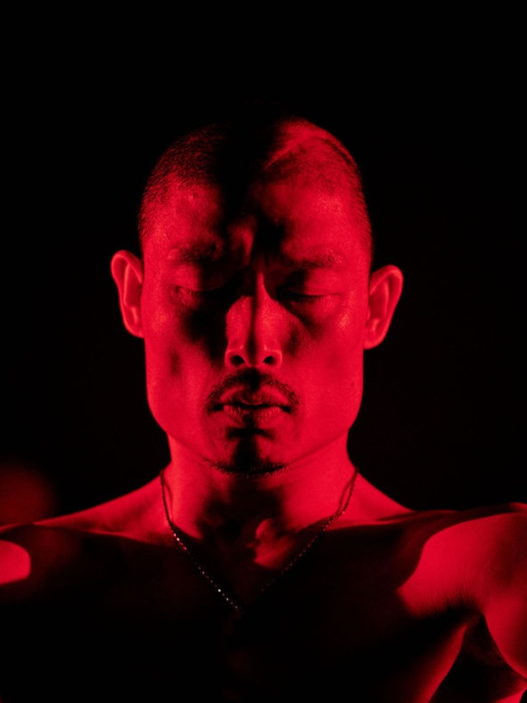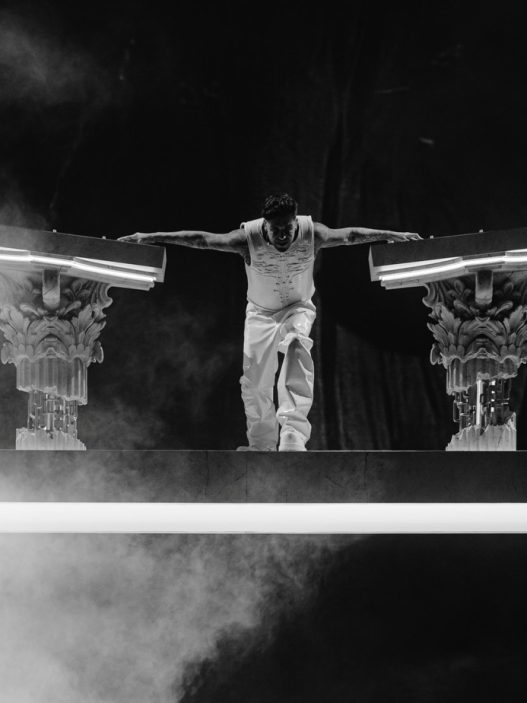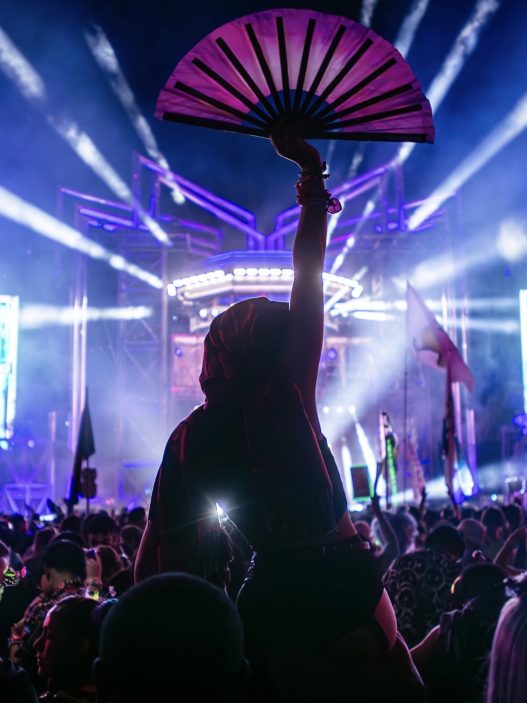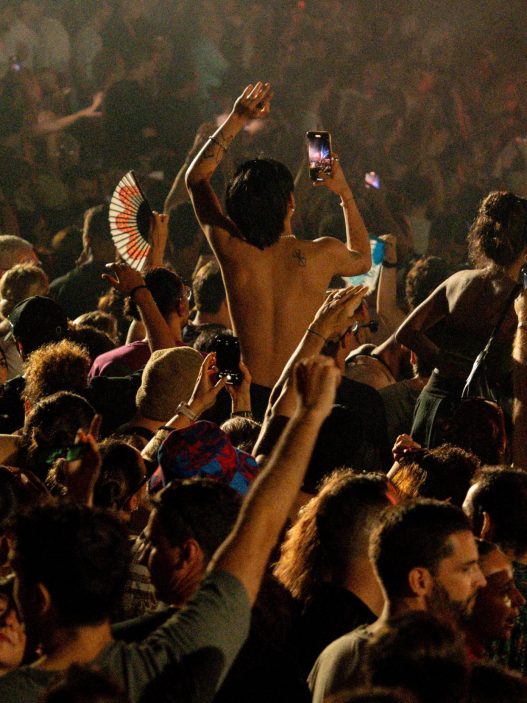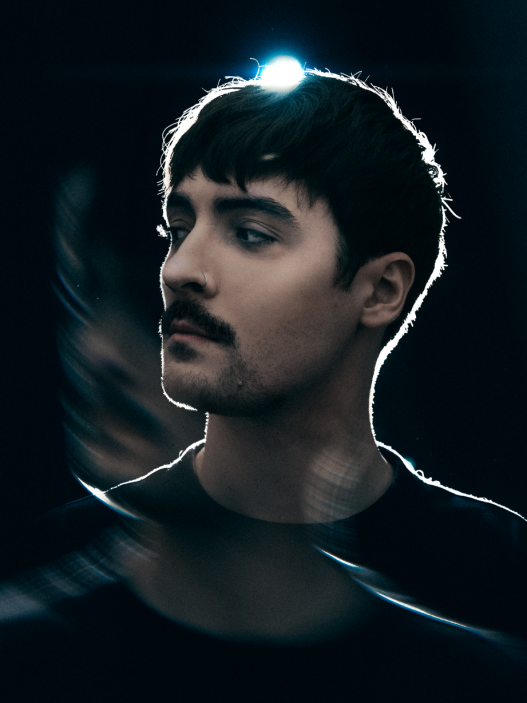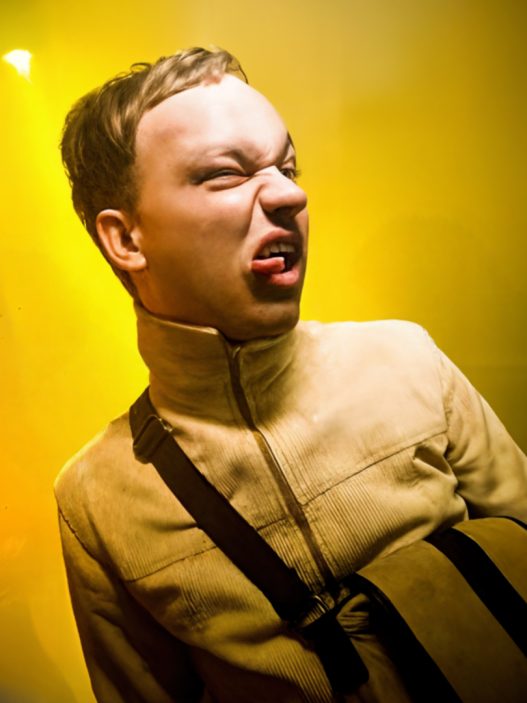


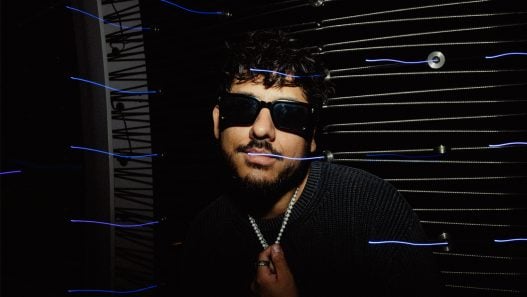

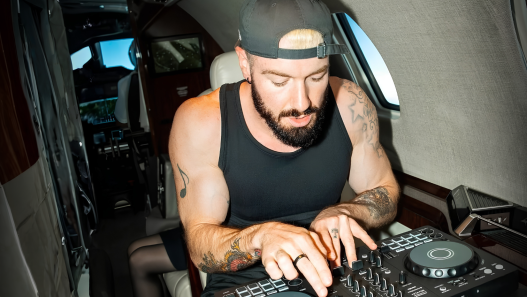

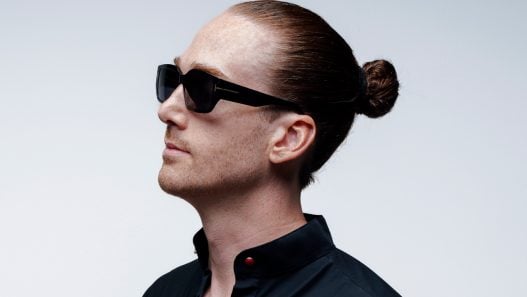




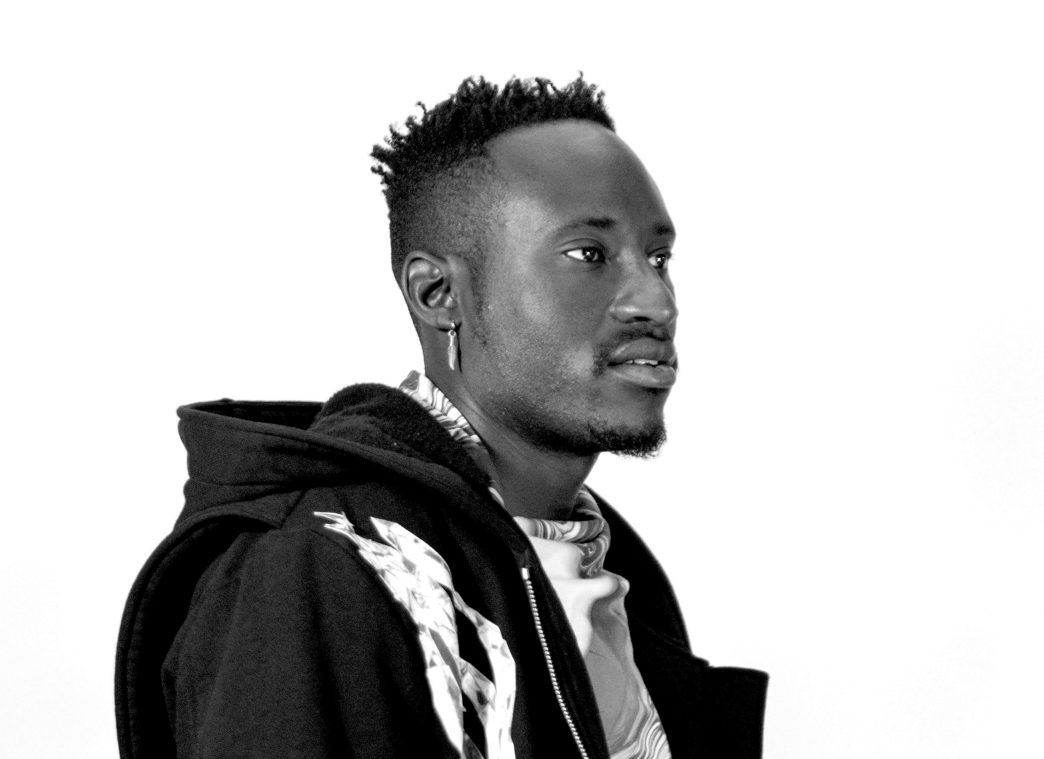
Fresh off the release of his sophomore EP Aurora and a headline debut in London, KAYA is stepping into a new chapter with intention. The US-based artist has spent the past year building serious momentum, his single ‘Party Started’ alongside HUGEL, Ochok, Jenn Morel, and French Caviar has racked up over 6 million streams, and he’s since shared the stage with HUGEL himself during his Ushuaïa opening set. Classically trained on piano from the age of four, KAYA fuses that cinematic sensibility with afro-tech grooves and indie house energy, crafting a sound built to move between festival mainstages, late-night clubs, and everything in between. We caught up with him to talk genre-blending, AI in the industry, and what’s coming next.
Many artists today move across and blend genres rather than fitting neatly into a single category. How would you personally define or label your sound, and what genres, subgenres, or underground scenes have most influenced and shaped your evolution as an artist?
I’ve never viewed genres and subgenres as “boxes,” but more so as color palettes and energy, and I’m so glad we’re finally moving away from being boxed into a single category. At its core, my music is a fusion of afro-tech grooves, indie house, 90s piano, cinematic melodies, uplifting energy, and beyond — something that works just as well in a dark, late-night club as it does on a massive festival stage or a living room at dusk or dawn. 
How did the environment you grew up in shape you as an artist, and in what ways does it still influence your creative identity today?
My musical evolution started at the piano when I was four years old, studying classical music, theory, and later composition for film and TV. That taught me how to evoke specific emotions through music. When you bring that classical mindset into the world of underground electronic music, which by the way has much simpler building blocks, you get something that feels both sophisticated and primal. Ultimately, I want my tracks to take listeners on a cinematic journey from the opening bar to the final drop.
Can you share a brief, compelling narrative or inspiration behind this new release?
Aurora represents the moment when everything I’ve been building finally came together.When I launched my artist project during the pandemic, there were so many new things to learn — from teaching myself how to DJ, to learning how to produce and mix house music since I came from a classical background, to branding myself as an artist and growing my local fan base and beyond. That’s why I called the EP Aurora – it’s the dawn of the artist I’ve always wanted to become.
Do you prefer producing music in a studio setting, or are you more comfortable creating on the road/during touring?
I’m definitely more comfortable producing music in a studio setting. I’ve tried creating on the road or when I’m touring, but it is capital TOUGH. I’m still new to it, and there are so many things happening at once — from prepping and advancing the shows, to thinking about marketing, jetlag, figuring out how not to get lost in new cities, figuring out who’s in town and if there’s anyone I know to hit up — it’s hard to focus. But sometimes I do get creative urges in a new area, so I always bring my gear with me. One day, I will master that art!
Have you performed at any major music festivals or large-scale venues? If so, which one would you consider the most significant milestone in your career so far?
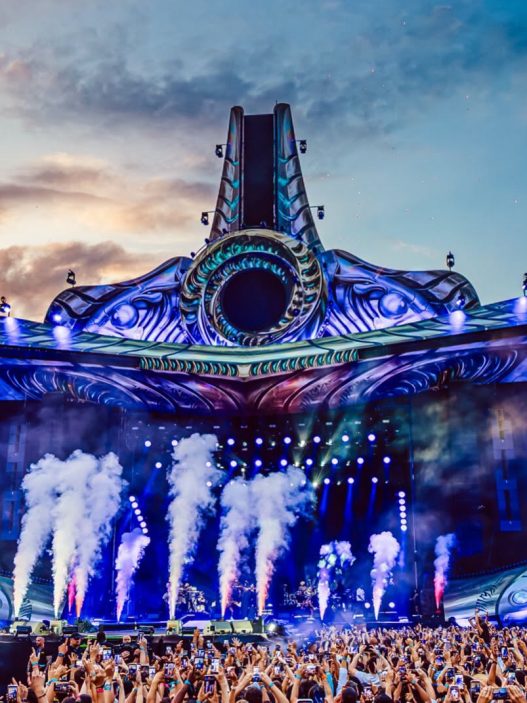
I’ve played festivals such as Splash House in California and Tierra de los Muertos in Oaxaca, Mexico! Some of my dream festivals I’d love to play one day are Coachella, Tomorrowland, and Ultra. But the most significant milestone in my career so far is actually happening this week! I’ll be playing at Hï Ibiza for the first time, with MEDUZA and James Hype on the lineup! I’m really excited for this one.
Do you feel more connected to the energy of major festival stages or the raw intimacy of underground warehouse parties and DIY spaces, or do you find inspiration equally in both worlds?
I find inspiration in both because each has its own distinct energy, vibe, and overall storytelling. Whether I’m revealing a new song to one person or thousands, the essence and passion stay the same. That’s why I love DJing — because we have the freedom to adapt, picking songs on the spot that may not work well in a club, but be a banger at an underground warehouse party.
What role does rebellion or counterculture play in your music? Whether through challenging commercial norms, experimenting with sound, questioning societal expectations, or simply creating from a place of pure expression, how do these ideas shape your artistic identity?
For me, rebellion isn’t about being loud. It’s about having the patience to build something timeless in an industry that constantly rewards what’s next. When I produce, I’m blending emotional, cinematic chord progressions with driving afro-tech house beats — sounds that honor my roots and my classical training. And once in a while I’ll throw in a surprise — if you know, you know!
How would you evaluate the current state of the global EDM scene in terms of its overall health and creative direction, and how would you position it within a broader spectrum ranging from emerging challenges to strong creative growth?
After attending IMS and seeing their report on the state of the industry, there hasn’t been a better time than now to get involved in the EDM scene. DJs are getting a lot more face time in pop culture, and our music is breaking global charts. This is very exciting when looking at creative growth, because there are more opportunities to cross over and collaborate with artists that weren’t always available. Of course, there’s more competition with lower barriers of entry in an already saturated market, but this will push music into areas we haven’t explored yet. As mentioned before, many artists today move across and blend genres rather than fitting neatly into a single category, and so I’m excited to see where this goes.
Do you see AI as a threat to musicians, a helpful collaborator, or something else? How do you plan to keep your music relevant as the industry changes rapidly because of these tools? By embracing AI, avoiding it, or taking a different approach?
AI comes in many ways, and depending on the way we look at it, it can be super helpful or really destructive. I think AI can help build solid systems to guide your career, whether as a social media manager, manager, agent, PR, quality checker, and yes, sometimes as an assistant in the studio as well — but it’s important to know the difference: is AI being used 100% to do the work and music, or is it used as an assistant? Human art is precious, and it’s not right to pass robot art off as “human.” As long as those distinctions are clear in our everyday use and consumption, we’ll be okay, but it becomes dangerous when we can’t tell them apart. There’s no way to avoid it, just as it was impossible to avoid the internet when it came around, so we might as well embrace it.
What’s one piece of advice you would offer to an aspiring DJ or producer looking to break into the music scene today?
Trust the process. No one can predict the future. People will tell you things can’t be done, and these same people will often be the ones to tell you no. Instead, pay attention to people who are here to help you build and give constructive feedback. Believe in yourself, learn as much as you can, and as long as you’re focused, taking things step by step, and staying humble, things will fall into place.
What was the official title and release date of your latest or upcoming single, EP, or album?
Aurora EP, released July 17th, 2026.
Looking ahead, what excites you most about the next phase of your artistic journey, both creatively and personally?
In this next phase of my artistic journey, I’m excited to strengthen my brand, dive deeper into my sound, produce more music, and get even better at it. One of the most satisfying things for me is collaborating with artists from around the world and being left with a song we couldn’t have come up with on our own. Beyond the music, I’m also working on something I’m iincredibly excited about called Kommon Strangers. It’s still in its early stages, but it’s a concept designed to unite dance communities through music, curated events and shared experiences. I can’t wait to tell people more.
Are there any upcoming festivals, tours, collaborations, headline shows, or major projects listeners should keep an eye out for over the coming months?
I’m currently in Europe playing some shows. As mentioned, I’ll be making my Ibiza debut this week, and last month I had my debut headline show in London to celebrate the release of my EP. I’m also looking forward to my headline debut in Greece next month in Crete. On the music front, I’ve got a lot more records coming out soon and I’m working with artists from around the world. I can’t wait for everyone to hear what’s coming! Definitely stay tuned. We’re just getting started.
Listen to Aurora HERE
Listen to the exclusive mix on SoundCloud HERE
Follow KAYA